TOP 10 MUST-USE PLATFORMS FOR ARTISTS
2.12.2024
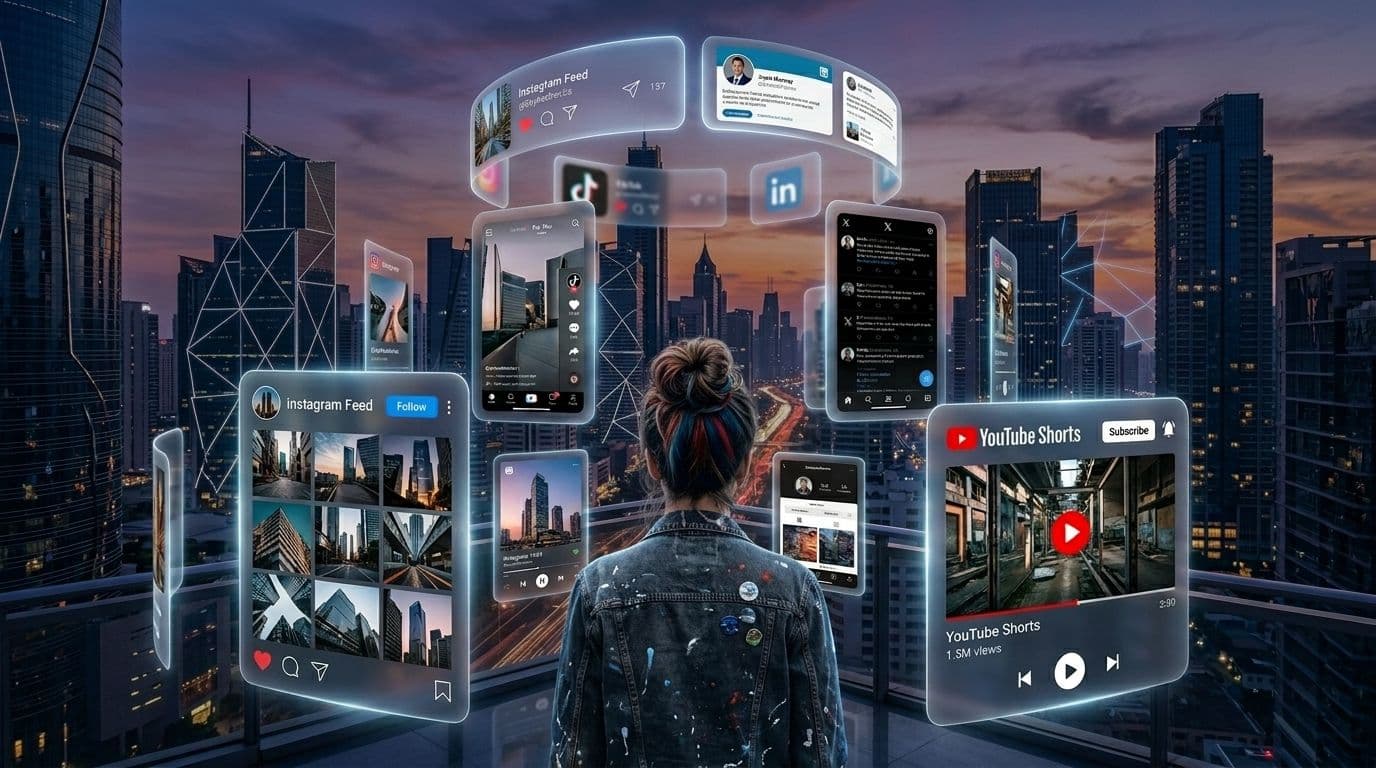
Being a talented singer or artist is no longer enough on its own. Today, music careers are built through a mix of great songs, visibility, consistency, storytelling, and direct connection with listeners. Different platforms now play very different roles in that process. Some are best for discovery, some help shape your public identity, and some are better for turning casual listeners into real supporters. TikTok now has a dedicated TikTok for Artists platform, YouTube continues to position itself as a core ecosystem for musicians through Official Artist Channels and artist tools, Spotify keeps expanding fan-facing features like Clips, and Bandcamp remains one of the clearest direct-to-fan platforms in music.
The important thing is not to use every platform in exactly the same way. The smartest artists usually treat platforms as a system. One platform helps people discover you. Another shows who you are. Another holds your music and helps fans engage with it. And another helps you build a deeper relationship beyond algorithms. Once you understand those roles, social media becomes much more strategic and much less random.
1. TIKTOK
TikTok is still one of the strongest platforms for music discovery. It is where songs can move quickly, snippets can spread fast, and both new releases and older tracks can suddenly find a fresh audience. TikTok’s official launch of TikTok for Artists made that even clearer, giving artists and their teams access to audience data, content insights, and tools to promote releases more effectively.
Best for: discovery, teaser clips, trend participation, song snippets, personality-driven content.
2. INSTAGRAM
Instagram is still essential because it combines Reels, Stories, posts, DMs, channels, and overall artist image in one place. It is often the platform people check after first discovering an artist somewhere else. Instagram also continues to frame itself as a place to capture, create, and share, while creator features like broadcast channels and music-based creation tools make it useful for keeping fans engaged between releases.
Best for: visual identity, day-to-day presence, release support, fan connection, shaping your overall brand.
3. YOUTUBE
YouTube remains one of the most important platforms for musicians because it gives artists room for both long-form and short-form content inside one ecosystem. Music videos, live sessions, acoustic performances, visualizers, behind-the-scenes footage, interviews, and Shorts can all support each other. YouTube’s artist hub describes the platform as a place to promote music, find fans, and build a career, while Official Artist Channels bring an artist’s content and audience together in one place.
Best for: music videos, live performances, deeper storytelling, credibility, long-term audience building.
4. SPOTIFY
Spotify is not a classic social media platform, but for artists it absolutely works as part of the social ecosystem. Spotify for Artists now includes tools like Clips, Canvas, Countdown Pages, and artist profile features that help musicians connect with listeners right where the music is being consumed. Spotify says Clips are designed to help artists reach potential new listeners, connect with fans, and drive streams and saves.
Best for: turning attention into streams, saves, follows, release engagement, and fan retention.
5. THREADS
Threads can be surprisingly useful for artists who want a more conversational platform. It works well for small thoughts, opinions, updates, humor, soft promotion, and personality without everything needing to look highly produced. Meta has continued adding features such as follower-only replies, topic tools, and more personalization controls, which makes Threads more useful for creators trying to build a public voice rather than just post visuals.
Best for: voice, personality, casual updates, building familiarity, staying visible between bigger content moments.
6. FACEBOOK
Facebook is still useful, especially for artists who want to reach broader age groups, promote events, share longer updates, and use Meta’s wider ecosystem. Facebook for Creators still positions the platform around expression, fan connection, and monetization, and its creator materials continue to emphasize Reels, Pages, and artist growth opportunities.
Best for: announcements, event promotion, cross-posting, broader audiences, and keeping established followers informed.
7. SOUNDCLOUD
SoundCloud is still highly relevant for emerging artists, producers, DJs, niche genres, and internet-native music communities. Its artist tools focus on uploading, promotion, collaboration, audience growth, analytics, and even distribution to other platforms. SoundCloud also continues to position itself as a large online community of artists and audio creators, which keeps it valuable for artists who want early traction and scene-based discovery.
Best for: early-stage growth, demos, underground scenes, producer communities, and direct interaction around new ideas.
8. PATREON
Patreon is one of the most useful platforms for artists who want a deeper direct relationship with fans and a more stable source of recurring support. Patreon’s musician tools focus on exclusive content, direct delivery to fans, and a model that is not dependent on algorithmic reach. For artists with engaged listeners, it can be a very strong place for bonus tracks, demos, private updates, backstage content, and community building.
Best for: superfans, memberships, exclusive content, recurring income, and deeper fan loyalty.
9. TWITCH
Twitch can be very powerful for musicians who want real-time interaction. It is not just for gaming. Artists use it for live performances, studio sessions, production streams, Q&As, and songwriting in public. Twitch’s artist-facing materials explicitly highlight music creators and live engagement, which makes it a strong option for artists whose personality and process are part of their appeal.
Best for: live interaction, studio sessions, fan engagement, community-building, and performance-led content.
10. BANDCAMP
Bandcamp is one of the most valuable additions to this list because it gives artists something many major platforms do not: direct support from fans in a music-centered environment. Bandcamp describes itself as an online record store and music community where fans discover, connect with, and directly support artists. It also supports artist subscriptions, merch, direct sales, messaging, and fan discovery through its own community system.