WHAT MAKES A GREAT RECORDING STUDIO? A GUIDE FOR ARTISTS
10.8.2026
What Makes a Great Recording Studio? A Guide for Artists
Choosing a recording studio is one of the most important decisions an artist can make. Whether you're recording your first single, producing an EP, or working on a commercial release, the studio you choose will influence far more than just the quality of your recordings, it can shape your entire creative process.
Today, artists have more options than ever before. Home studios have become increasingly capable, and professional recording studios continue to evolve, offering everything from songwriting and production to Dolby Atmos mixing and immersive audio.
So what actually separates a professional recording studio from an ordinary one?
Behind every exceptional recording is a combination of outstanding equipment, thoughtfully designed acoustics, experienced engineers, skilled producers, and an environment that allows artists to perform at their best. It's the way these elements work together that ultimately shapes the final result.
Whether you're searching for a recording studio in Dubai or anywhere else in the world, these are the qualities that define a truly professional music production studio.
Every Great Recording Starts With the Room
Ironically, the most important part of a recording studio is often the one people notice the least.
It's not the microphone.
It's not the console.
It's the room.
Acoustics determine how sound behaves before it ever reaches a microphone. Reflections, standing waves, flutter echoes, and uncontrolled low frequencies can dramatically affect the quality of a recording. Once these problems are captured, they can rarely be removed completely in the mixing stage.
Professional recording studios invest heavily in acoustic design because it allows every microphone to perform exactly as intended.
This becomes especially important during vocal recording, where subtle reflections and unwanted resonance can change the tone and clarity of a performance.
When comparing studios, don't just ask what microphones they own. Ask how the recording rooms were designed and how the acoustic environment has been treated.
Great recordings always begin with a great room.
Great Engineers Don't Just Record Music: They Shape Performances
People often assume the recording engineer's job is purely technical.
In reality, it's equally creative.
A great engineer understands microphones, gain staging, signal flow, headphone mixes, and recording techniques, but they also understand people.
Every artist performs differently. Some need constant feedback, while others perform best when they're simply allowed to focus on the music.
The engineer's role is to remove technical distractions, anticipate problems before they happen, and create an environment where creativity can take over.
Sometimes the difference between a good vocal take and a great one has nothing to do with the microphone. It's the confidence the artist feels in the room.
Recording Is Only One Part of the Creative Process
Many people think recording begins when the red light turns on. In reality, the creative process often starts much earlier.
Some artists arrive at the studio with fully written songs, complete arrangements, and clear creative direction. Others come with nothing more than a melody they've recorded on their phone.
A professional music production studio should be able to support both.
Today, many studios offer services that extend well beyond recording itself, including songwriting, music production, vocal coaching, making custom arrangements, and collaborative writing sessions.
One format that has become increasingly popular is the Songwriting Camp. Rather than working individually over weeks or months, songwriters, producers, topliners, composers, and artists collaborate together in an intensive creative environment. Ideas move quickly, feedback happens in real time, and songs often evolve from rough concepts into fully produced demos within a matter of days.
For many musicians, this collaborative approach produces stronger songs than working through separate studios, producers, and writers.
Equipment Matters When It's Used Properly
Professional equipment has earned its reputation for a reason.
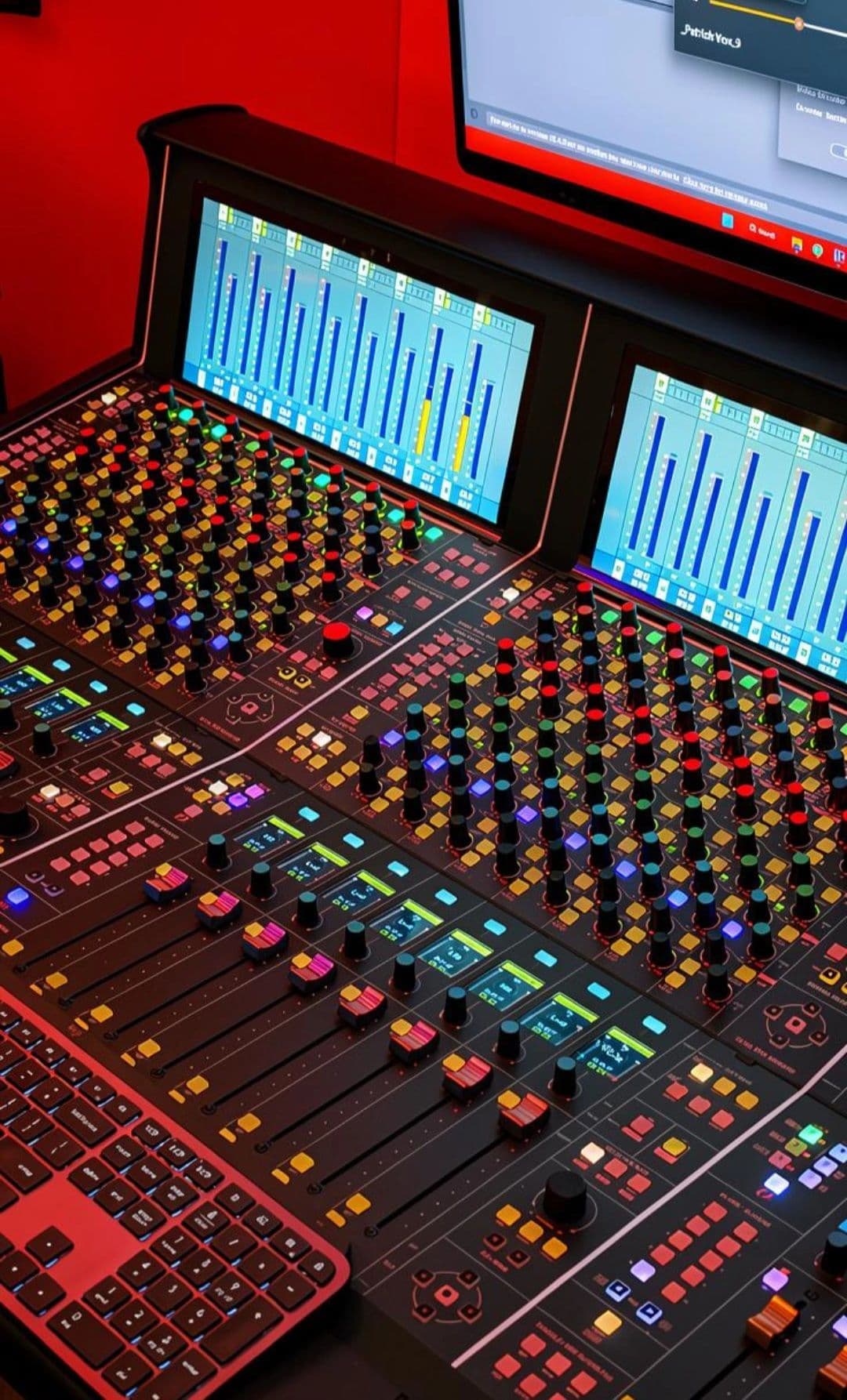
Premium microphones capture greater detail. High-quality preamps preserve nuance. Accurate monitoring systems allow engineers to make confident decisions. Large-format analog consoles provide workflow, flexibility, and sonic character that continue to define countless commercial recordings.
But equipment should never become the headline.
The best engineers don't ask,
"What is the most expensive microphone?"
They ask,
"What is the right microphone for this voice?"
Every artist is different.
Every song is different.
The equipment simply gives experienced engineers more creative options.
That said, even the most experienced engineers rely on the right tools. Professional equipment remains a fundamental part of every great recording studio, providing the precision, flexibility, and sonic character that commercial productions demand.
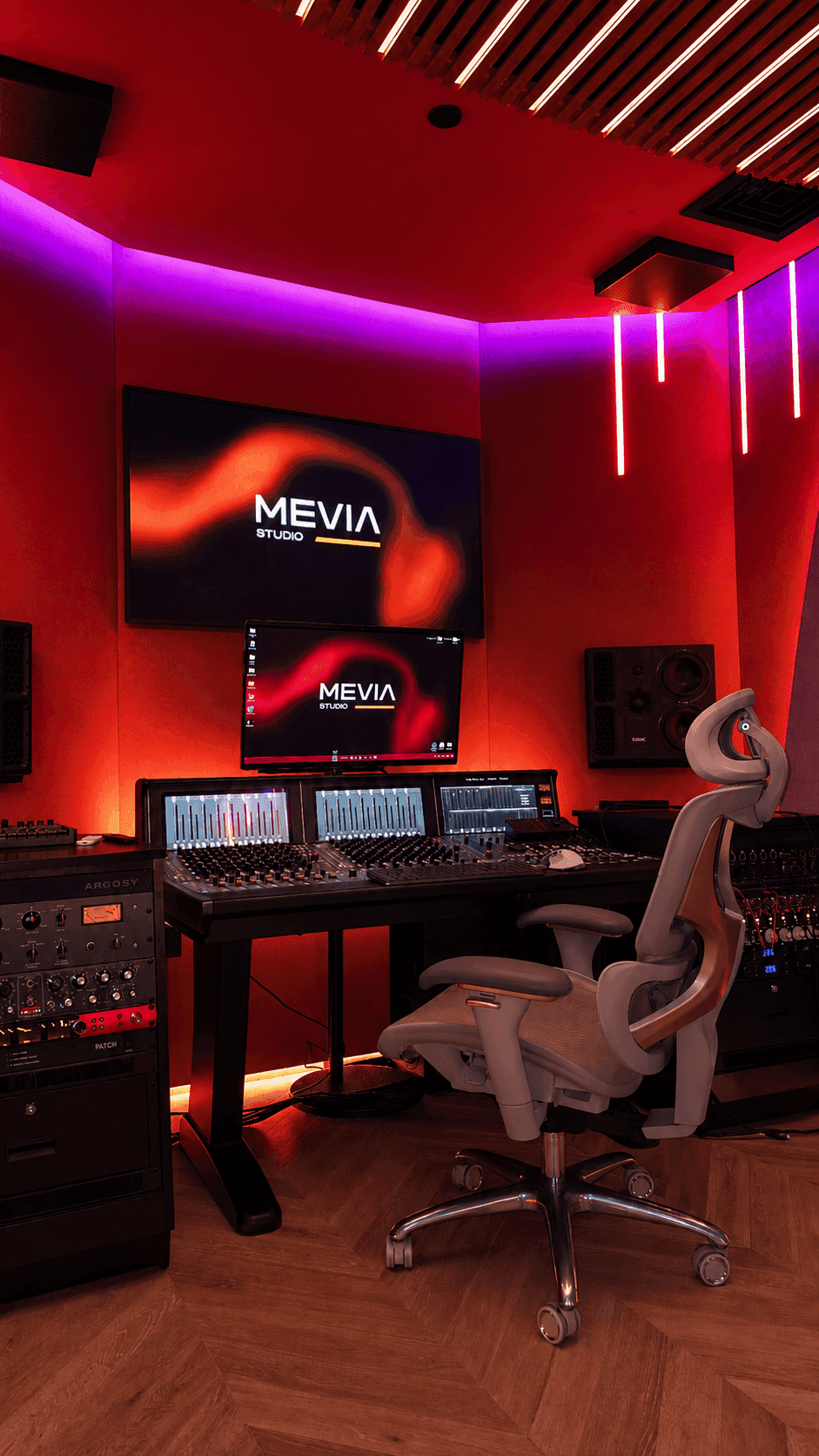
Not every studio has the opportunity to invest in world-class equipment, as building a professional recording environment requires a significant financial commitment. Some studios, however, choose to make that investment in exceptional pieces of gear that become part of their creative identity. At MEVIA Music Studio, for example, our SSL Oracle is the only console of its kind currently installed in the MENA region, a flagship analog console trusted on commercial productions around the world.
Choosing the Right Recording Studio
Whether you're recording your first song, producing a commercial release, or developing new material during a songwriting camp, the right studio should become more than a place where music is recorded. It should become a place where ideas evolve, performances improve, and creative potential is fully realized.
If you're looking for a professional recording studio in Dubai, take time to evaluate. Look at the people you'll be working with, the environment you'll create in, and the services that can support your project from the earliest idea through to the finished record.
Because in the end, great studios don't simply capture music. They help create it.